Apply for Job
 Position:
 Department:
Great Career Starts With Great People
We are building a dynamic team of talented individuals. Bring your ideas. Grow your career. Make an impact.

CSR programmes that meet every requirement and prove real change for communities.


 01

 02

 03

 04

 05

 06

 07

 08
Aligning with Global CSR and Social Standards helps organisations integrate social responsibility into strategy and operations using recognised international frameworks....

Drive Diversity, Equity and Inclusion (DEI) helps organisations build workplaces where people of all backgrounds have fair access to opportunity...

Enhancing Employee Wellbeing and Engagement helps organisations create workplaces where people feel healthy, valued and motivated. Drawing on ISO 45003...

Ensuring Labour Welfare and Upholding Human Rights helps organisations provide decent, dignified and lawful working conditions for every worker. Aligned...

Ethical Supply Chain Management helps organisations ensure that suppliers, subcontractors and service providers respect labour rights, safety, environmental and ethical...

Social Fingerprint Management, developed by Social Accountability International (SAI), is the performance improvement programme that supports SA8000 certification. It helps...
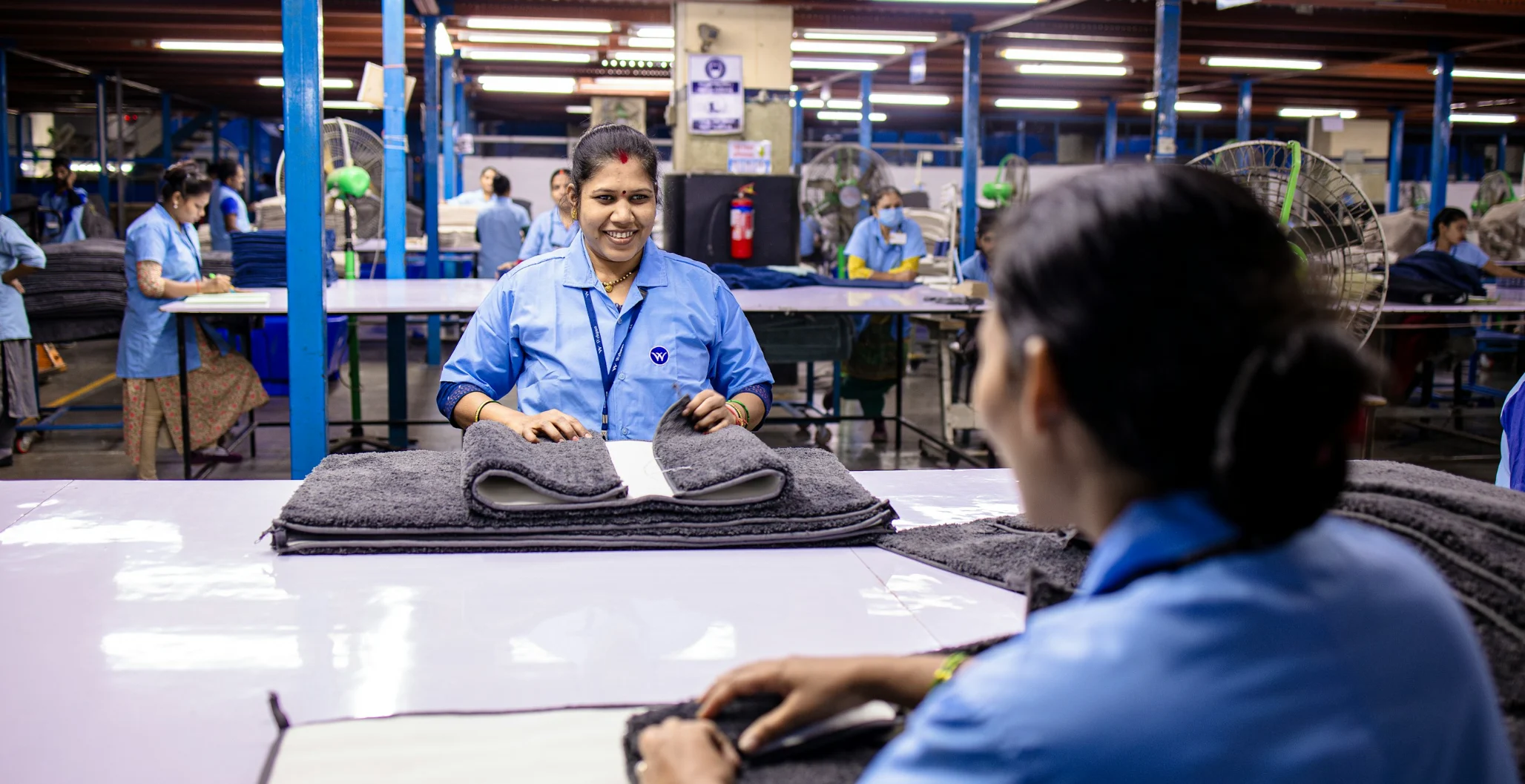
Promoting Fair Pay and Living Wage Practices helps organisations close the gap between legal minimum wages and a decent standard...

OHS and Social Risk Assessment and Mitigation helps organisations identify and control risks to worker health, safety and wellbeing alongside...

Payroll Integrity and Social Security Compliance helps organisations ensure every worker is paid correctly, on time and with full statutory...

Stakeholder Engagement and Collaboration helps organisations build structured, two way relationships with the people and groups affected by or influencing...

Human Rights Due Diligence (HRDD) is the ongoing process through which organisations identify, prevent, mitigate and account for adverse human...

Climate Risk, Scenario Analysis and Transition Risk Assessment helps organisations understand how climate change could affect assets, operations, supply chains...

Assess CSR requirements, identify undefined gaps and define a clear advisory roadmap guided by our CSR gap assessment consultant

Embed CSR requirements into practical undefined and daily processes, guided by our experienced CSR implementation consultant

Develop the CSR policy and annual action plan and select Schedule VII projects aligned with community needs

Monitor implementing partners and assess social impact with clear indicators, baselines and outcome reporting
Deliver role specific CSR training, conduct internal audits and mock assessments to strengthen advisory readiness

Address root causes, verify corrective actions and support successful advisory and surveillance audits for continued CSR compliance

Build credible governance, KPIs, and evidence systems to strengthen sustainability performance and stakeholder confidence.

Speak to our team to understand the scope, timelines, deliverables, and the right service pathway for your organisation.
Under Section 135 of the Companies Act 2013, companies with a net worth of ₹500 crore or more, turnover of ₹1,000 crore or more, or net profit of ₹5 crore or more in the preceding financial year must spend at least 2 percent of their average net profits of the previous three years on eligible CSR activities.
Companies with an average CSR obligation of ₹10 crore or more in the three preceding financial years must undertake an independent impact assessment of CSR projects with outlays of ₹1 crore or more that were completed at least one year earlier.
Unspent amounts relating to ongoing projects must be transferred to a separate Unspent CSR Account, while other unspent amounts must be transferred to a fund specified in Schedule VII within the timelines set by the CSR Rules.
We define output, outcome and impact indicators for each programme, establish baselines, collect data through surveys and field visits, gather beneficiary feedback and, where useful, estimate the social return on investment.
Yes. Effective CSR programmes often build on the company's strengths and the needs of communities around its operations or supply chain, such as skills development, water, health or livelihoods, creating shared value for both.


